

Understanding the psychology behind gambling behavior
The Allure of Risk and Reward
The psychology of gambling is intricately tied to the concepts of risk and reward. Many individuals are drawn to gambling due to the thrill of uncertainty and the potential for significant financial gain. This combination activates the brain’s reward system, releasing dopamine, which can lead to feelings of excitement and euphoria. For many, this rush can become addictive, creating a cycle where the anticipation of winning becomes a driving force behind their behavior. In this context, exploring the best new online casinos can provide insights into how modern platforms enhance these experiences.
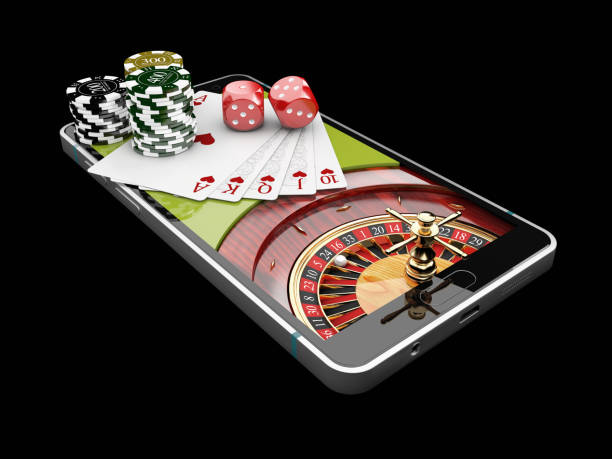
Moreover, the possibility of winning big can overshadow the reality of losses. Gamblers often engage in cognitive biases, such as the illusion of control, where they believe they can influence outcomes through skill or strategy, despite the games being predominantly chance-based. This skewed perception reinforces continued participation in gambling activities, making the behavior more entrenched over time.
The Role of Cognitive Dissonance
Cognitive dissonance plays a significant role in gambling behavior, especially when losses are involved. Gamblers often experience a mental conflict between the desire to quit and the urge to continue in hopes of recovering their losses. This internal struggle can lead to justifying further gambling as a necessary means to achieve a perceived fairness or balance.
Additionally, this dissonance can manifest through rationalizations, where individuals may convince themselves that their luck is about to change. These justifications allow gamblers to persist, reinforcing their behavior even when evidence suggests that they are unlikely to win back what they’ve lost. This psychological phenomenon underscores the complexity of gambling behavior and the challenges involved in breaking free from it.
The Impact of Social Influences
Social influences significantly shape gambling behavior, with peer pressure and societal norms contributing to individuals’ decisions to gamble. In environments where gambling is normalized or glamorized, such as in certain social circles or media portrayals, individuals may feel more compelled to engage in these activities. The desire for acceptance can lead to a higher likelihood of participating in gambling, even among those who may not have a natural inclination toward it.
Moreover, the advent of online gambling has shifted social interactions, allowing individuals to gamble from the comfort of their homes. This accessibility can exacerbate gambling behaviors, as the social consequences of participating are less visible. Online platforms may also create environments where individuals can engage in gambling activities anonymously, further detaching them from the potential negative impacts of their behavior.
Understanding Addiction and Recovery
Gambling addiction is a serious psychological condition that can have devastating effects on individuals and their loved ones. It often requires a multifaceted approach to recovery, including therapy and support groups. Understanding the underlying psychological mechanisms, such as impulsivity and the need for escape, is crucial for effective treatment. Therapies that focus on cognitive-behavioral strategies have shown promise in helping individuals restructure their thought patterns and develop healthier coping mechanisms.
Recovery from gambling addiction is a challenging journey, as it involves not only addressing the gambling behavior but also the emotional and psychological issues that may have contributed to it. Developing awareness of triggers and enhancing emotional regulation skills are essential components of the recovery process. Support from family, friends, and professional resources can significantly aid individuals in overcoming their addiction and building a more balanced lifestyle.

Exploring Responsible Gambling Practices
Understanding the psychology behind gambling behavior is essential for promoting responsible gambling practices. By recognizing the mental and emotional factors at play, individuals can make more informed choices about their gambling activities. Education about the odds, potential outcomes, and psychological impacts can empower gamblers to engage in these activities more mindfully, reducing the likelihood of developing problematic behaviors.
Additionally, many online platforms provide resources and tools for responsible gambling, such as self-assessment quizzes and limits on betting amounts. These features help individuals stay in control and ensure that gambling remains a form of entertainment rather than a source of distress. By prioritizing responsible practices, gamblers can enjoy the thrill of gaming while minimizing potential harm.